
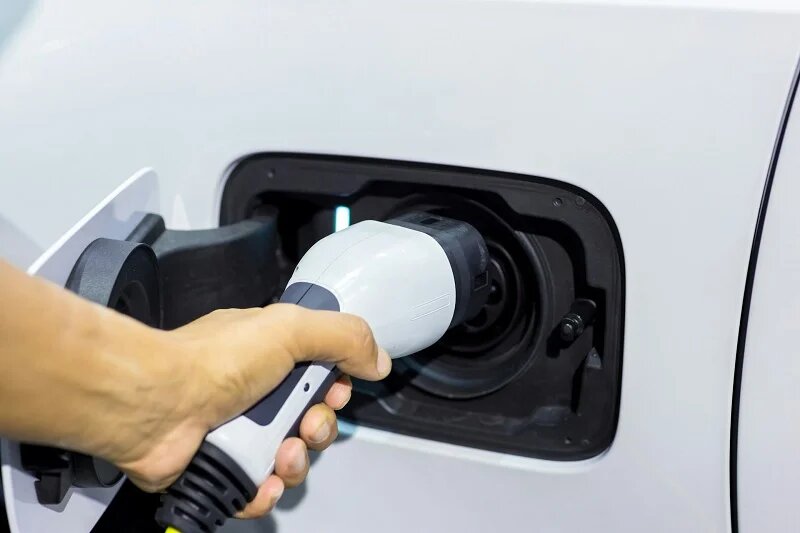

In a significant leap forward for the electric vehicle (EV) industry, researchers at Cornell University have unveiled a revolutionary EV battery capable of fully charging in a mere five minutes. Published in the journal Joule, this breakthrough innovation addresses one of the primary barriers to widespread EV adoption—lengthy charging times.
Key Points:
- Game-Changing Advancement: Traditional fast chargers typically require a minimum of 30 minutes to charge an EV battery. However, Cornell University’s new technology promises to slash this duration to just five minutes while maintaining consistent performance across multiple charging cycles.
- Overcoming Existing Limitations: While recent announcements from startups like Gravity have touted five-minute EV chargers, existing EVs and their batteries are not designed for such rapid charging. Cornell’s research team has tackled this challenge head-on by developing a fast-charging EV battery capable of handling the heat and power demands associated with rapid charging.
- Innovative Anode Design: The new fast-charging lithium battery utilizes indium-based anodes, a departure from the traditional graphite-coated copper anodes. Indium, commonly found in touchscreens and solar panels, facilitates faster charging and electricity storage in batteries. This breakthrough technology could potentially make EVs more affordable by eliminating the need for high-range batteries.
- Implications for EV Adoption: The widespread adoption of fast-charging battery technology could lead to the use of smaller batteries with less than 500km of range in EVs, reducing costs and increasing affordability. However, this raises questions about consumer preferences regarding frequent recharging versus the convenience of petrol/diesel-powered cars.
- Turning Point for EV Industry: The success of Cornell’s fast-charging battery could mark a turning point in the EV industry, driving increased adoption and paving the way for a sustainable transportation future. While challenges and consumer preferences remain, the potential impact of this breakthrough technology cannot be overstated.
Cornell University’s groundbreaking research represents a significant advancement in the quest for efficient, rapid-charging EV batteries, offering hope for accelerated adoption of electric vehicles and a cleaner, greener future.



 industry, researchers at Cornell University have unveiled a revolutionary EV battery capable of fully charging in a mere five minutes. Published in the journal Joule, this breakthrough innovation addresses one of the primary barriers to widespread EV adoption lengthy charging times.)