
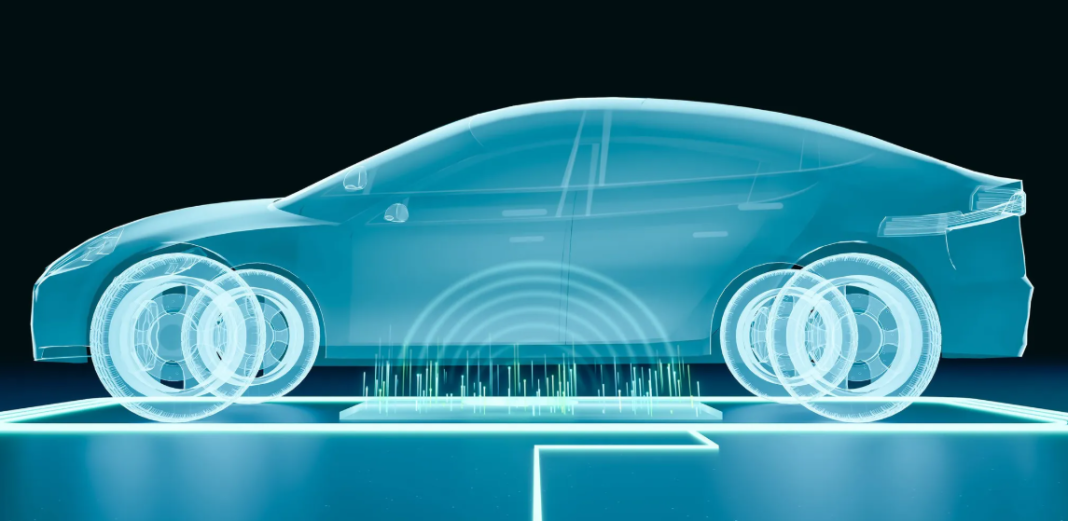

Power electronics technologies are driving a massive revolution in the automotive sector. Power electronics are at the forefront of driving sustainability, efficiency and performance as electric vehicles (EVs) keep picking up steam. Market trends, recent statistics propelling the market and the reasons power electronics have become central to automotive innovations are covered in this article.
Power Electronics Contribution to Automotive Innovations
To enable efficient in energy use, power electronics manage the conversion and handling of electrical energy in electric vehicles. Inverters, onboard chargers and DC-DC converters are important elements that enable efficient power handling in electric vehicles. Electric vehicle powertrains are being revolutionized by the use of wide bandgap (WBG) semiconductors, such as silicon carbide (SiC) and gallium nitride (GaN) that are replacing conventional silicon-based devices.

Power Electronics Key Role:
Autonomous Vehicles and Power Electronics
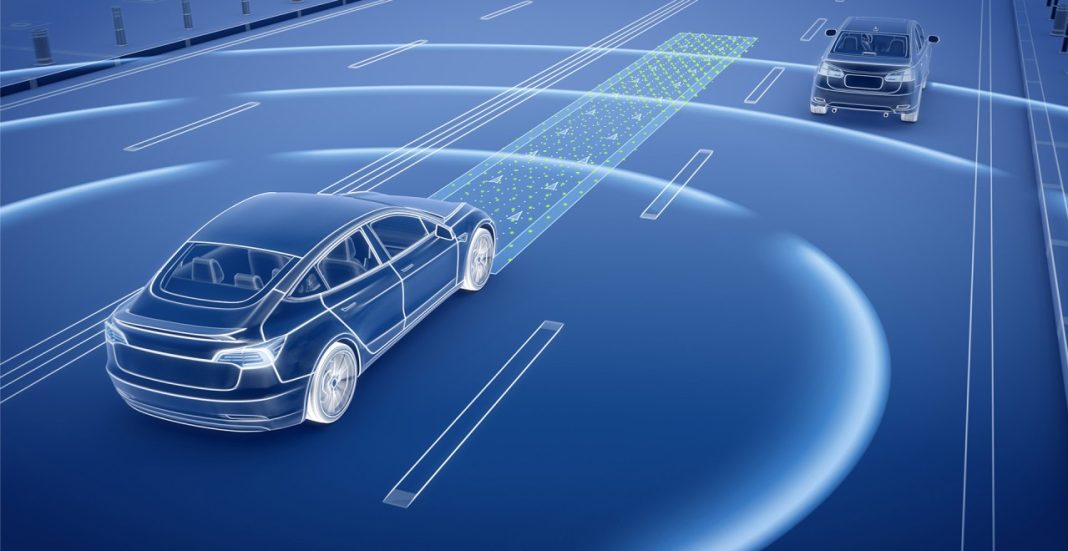
Autonomous driving relies on sensors, cameras, radar, LiDAR and high-scale data processing. These devices rely on solid, high-quality power supply systems for sustained performance in all weather conditions.
Power electronics functions includes-
- Supplying and conditioning power to processors and sensors.
- Distributing energy among various computing units with minimal loss.
- Facilitating backup and fail-safe systems, which are critical in safety-critical applications. Furthermore, autonomous vehicles tend to rely on electric drivetrains as well, which makes the role of combined power electronics platforms even more critical.
Efficiency and Thermal Management
Energy efficiency is one of the most important performance metrics in contemporary vehicles. Power electronics have a direct impact on vehicle efficiency by minimizing power losses at conversion and distribution. New materials like silicon carbide (SiC) and gallium nitride (GaN) are supplanting conventional silicon devices, enabling higher efficiency, improved switching speed and reduced lighter components.
Another critical area is thermal management. Proper dissipation of heat ensures enhanced life and performance of power electronic modules. Emerging cooling solutions such as liquid cooling solutions such as liquid cooling and integrated heat sinks are being researched to manage the heat generated by high-power equipment in EVs and hybrid systems.
Integration with Smarts Grids and Renewable Energy
Power electronics not only play a critical role inside the vehicle but also allow vehicles to exchange information external energy networks. Vehicle to Grid (V2G) and Vehicle to home (V2H) technologies make EVs supply electricity to the grid or homes in case of power outages.
This two-way power transfer is controlled by sophisticated power electronic interfaces hat provide secure and effective energy transfer. In a renewable energy transfer. In a renewable energy future where solar and wind power come to dominate, these capabilities will become critical to grid stability and energy autonomy.
Light-weighting and Space Optimization
New vehicles call for smaller, lighter and more modular systems. Power electronics are changing with miniaturization and integration.
Integrated Power Modules (IPMs) – Combine a number of functions like inverter, converter and charger into a single unit and save space and weight. Flexible PCB technology and innovation packaging reduce footprint on components while increasing strength and efficiency.
Market Analysis and Trends of Growth
The worldwide automotive power electronics market is expected to achieve a 4% CAGR during the forecast period 2025 to 2030. The market for EV power electronics is expected to grow rapidly on the back of accelerating adoption of EVs and government regulations promoting cleaner transport.
In the electric vehicle power electronics industry specifically, the market is likely to expand from $12.2 billion in 2024 to $16.69 billion in 2025, displaying a massive CAGR of 36.8%. This is due to greater government regulations, energy efficiency measures and growing consumer demand for environmentally friendly transport systems.
Regional Market Trends in Automotive Power Electronics
The global automotive power electronics market is increasing at a fast pace with distinctive trends being shaped across regions. Although the Asia-Pacific region is leading in electric vehicle (EV) technology, North America and Europe are rapidly advancing semiconductor investment and charging station construction.
India is also becoming a key market for power electronics in the automotive sector due to the fast-paced growth of EVs and government policies encouraging clean mobility. India automotive power electronics market stood at USD 11.98 billion in 2024 and is growing at a CAGR of 6.6% during the forecast period 2025-2034 to reach USD 22.7 billion in 2034.
Challenges and Opportunities
Even with quick developments, the future of power electronics in automotive is not free of challenges:
Advanced materials and processes used in high-performance components can increase their cost, reflected in vehicle prices.
With various manufacturers implementing mixed power architectures, the absence of global standards can hinder interoperability and innovation.
Automotive applications are demanding. Components have to withstand harsh environments with extreme temperatures, vibrations, and electrical noise. These challenges provide opportunities for innovation, though.
The creation of strong testing processes, modular platforms and diagnostics through artificial intelligence are fields where development and research are gaining speed.
Automotive Power Electronics Future
In the future, the following trends will shape the scene:
800V Architectures: Future-generation EVs are already widely adopting high-voltage platforms, reducing charging time and increasing efficiency.
Wireless Power Transfer: For efficient energy transfer, inductive charging systems will benefit from dedicated power electronics.
Integration of Artificial Intelligence: AI will enable predictive maintenance, adaptive power routing and more advanced energy management.
Conclusion:
Though it goes unappreciated, power electronics are unequivocally the unseen driving force for modern automobile technology. These systems are the technological bedrock for the next-generation mobility, enabling autonomous driving and electric drive as well as connecting cars with renewable energy networks.
Power electronics will become ever more vital as the industry focuses on efficiency, sustainability and digitalization. They are actually pushing the future forward by providing the power for tomorrow’ automobiles.


)