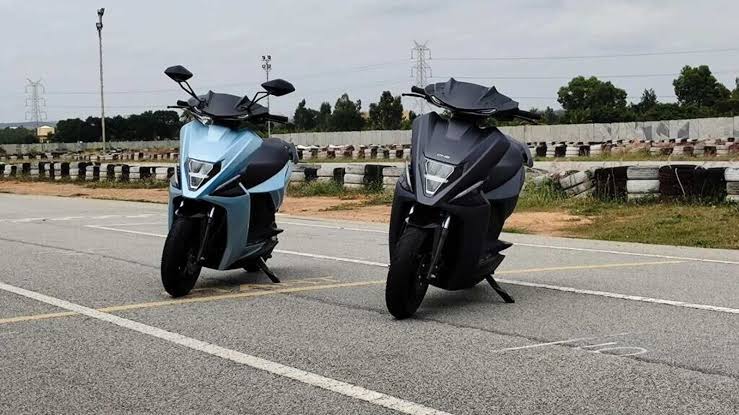


India’s electric vehicle (EV) sector is expected to become one of the country’s largest employment generators by 2030, with the potential to create between 30 million and 40 million jobs over the next five years. The rapid expansion of the EV ecosystem is poised to create significant job opportunities in manufacturing (automotive and components, battery assembly and cells), software and IT, infrastructure development, and services for EVs towards sustainable mobility.
According to industry predictions, 10-15% of these jobs will be direct employment opportunities with roles including vehicle production, cell manufacturing, electronics and components, R&D, engineering, quality control and charging infrastructure deployment. The remaining 85-90% of jobs would be indirect across the broader EV ecosystem such as manufacturing components, supply chains, maintenance and repair, retail and finance, logistics, and recycling.
This predicted job creation is seen as a natural consequence of India’s rising investments in electric mobility, spurred by schemes like the PM E-DRIVE Scheme, the Production Linked Incentive (PLI) programmes for the automobile and advanced chemistry cell (ACC) battery sector, and the broader focus on domestic manufacturing under the Atmanirbhar Bharat initiative.
As a result, domestic and international manufacturers are increasing their production facilities and scaling up operations across the country. As India progressively transitions to clean mobility, the EV industry is all set to become one of the country’s most significant drivers of economic growth, technology advancement and creation of sustainable employment.