
Multilayer electrodes combine different electrode layers with varying material compositions. This approach provides multilayer coating, enabling better ion transport and mechanical stability compared to a conventional single coating layer in battery technology. While traditional electric vehicle (EV) batteries rely on single-layer coatings, implementing a multilayer coating architecture could enhance battery performance and extend its service life.
Enhancing EV Battery Performance
Researchers will examine different coating materials, layer thicknesses, and electrode structures for both anodes and cathodes. The team will then investigate coating formulation and drying conditions to understand their impact on electrode quality and manufacturing process consistency.
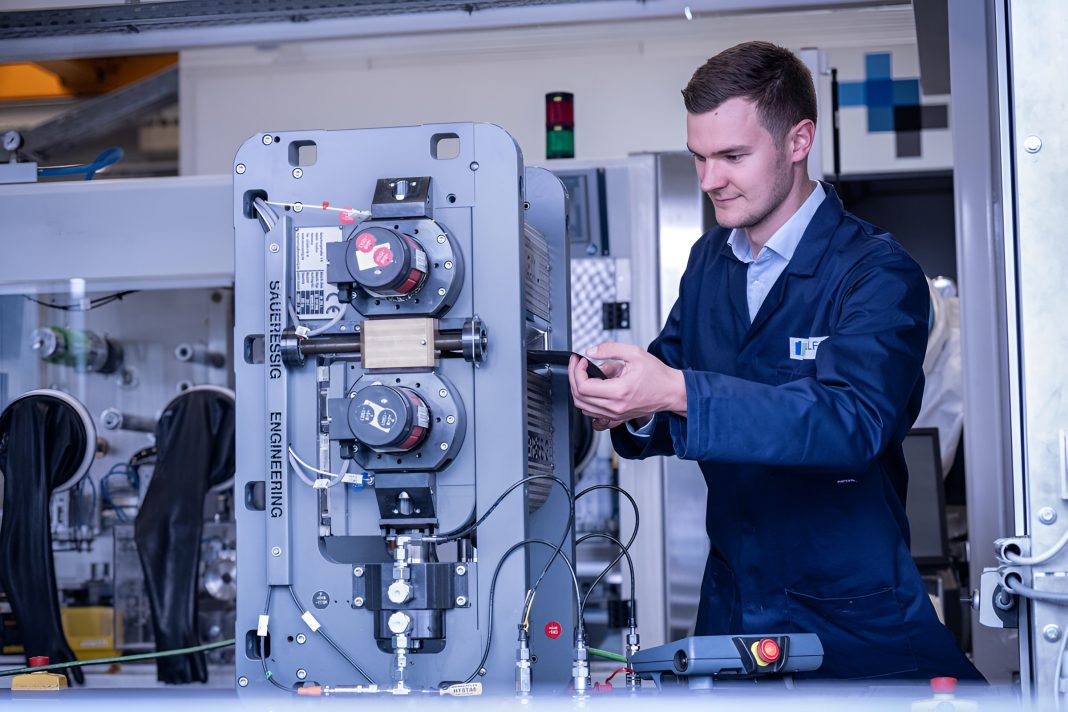
The project will evaluate two coating techniques, which include two-layer slot-die coating and multilayer curtain coating under Aachen’s Chair of Production Engineering of E-Mobility (PEM) to develop scalable production process. On the basis of outcome results of these two methods, the projects aim to broader the thickness of electrode from 200 micrometres to 800 micrometres. This increase in thickness of electrode coating will allow battery manufacturers to reduce the number of inactive layers (separators and current collectors) within a cell and lower the cost of production while expanding energy density.