
The national government will shortly make its final decision over whether battery swapping standards for electric two- and three-wheelers should be required or optional. Before implementing the norms created by the Bureau of Indian Standards (BIS), the issue will be resolved at a conference next week where representatives from the EV industry and interested governmental institutions will be consulted.
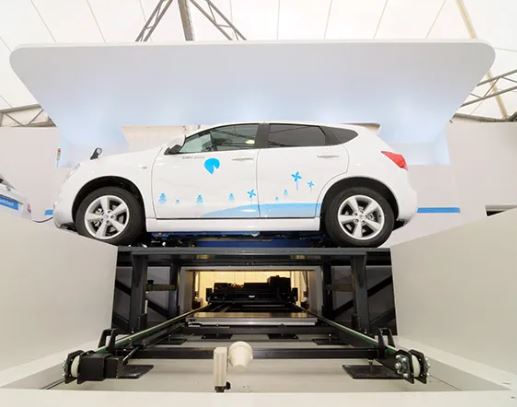
A battery-changing format in an EV battery drastically saves downtime by enabling users to swap out exhausted batteries for recently charged ones at swap stations in a matter of minutes.
Pros:
Reduced Maintenance –
As was already noted, changing batteries is a very time-effective approach. When their batteries run out, owners of electric two- or three-wheelers can simply drive to the nearest swap station, pay a fee, and get a new battery, saving them the time and hassle of having to wait for their EVs to charge.
Lower Cost and Space Needs –
Since swappable batteries must be standardized to meet a variety of make and model vehicles, space-saving battery packs are necessary because EVs and charging stations frequently swap them out.
Low Initial Cost and Long-Term Investments –
According to the recently shared Battery Swapping Policy draught by Niti Ayog, EVs dependent on swappable batteries would not need a battery pack at the time of registration, further lowering the preliminary purchasing expense by disentangling the battery cost at the point of purchase. EV batteries currently range in price from Rs 15,000 to 20,000 per kWh.
Cons:
Facilities and Accessibility –
The development of battery swapping stations will take time to take place because the EV charging infrastructure is still in its early stages. To fit the battery stations and the EVs that arrive to swap batteries, swapping stations would also need a larger area of land.
Influence on Development –
Another issue is the potential negative effects of excessive standardization on the quickly developing field of battery technology. To allow seamless use across various EV types, swappable battery packs and compatible EVs would need to adhere to the standards established by the stakeholders. It would be exceedingly difficult to update or switch to superior technologies once this occurs on a significant scale.
High Operating Costs –
Although battery swapping will decouple the cost of batteries from EVs, swap station operators will still be responsible for them. As the use of EVs rises, public battery swap stations would also need to keep a sizeable amount of inventory. The costs of operating a swap station continue to rise when you include the upkeep of exposed battery packs due to corrosion and other issues.
Conclusion:
Although the battery swapping model is undoubtedly an effective technique to address the problem of EV charging, more needs to be discovered regarding the consumption, expense, and maintenance needs of such an ecosystem as the market is still in its infancy. It might not be the best course of action to impose strict standards on various EV form factors at this time.