
To keep at par with the growing need for e-mobility and to encourage people to create a carbon-neutral future, Ladakh has announced a new EV policy that aims to turn the UT into a torch bearer in terms of the adoption of electric vehicles in the country. The Ladakh’s Electric Vehicle and Allied Infrastructure Policy further envision encouraging and cultivating an EV ecosystem.
An official spokesman said the policy entails a capital subsidy of 10 percent on two-wheelers, three-wheelers, and four-wheelers. “To encourage sustainable and eco-friendly public transport, public buses will be given a capital subsidy of 25 percent under the policy,” the spokesman said. To encourage this shift to electric vehicles, he said the administration has offered an early bird subsidy for the first year of the policy.
“During the first year, the percentage of the subsidy for each type of vehicle would be double the normal subsidy being offered for subsequent years. In order to promote electric vehicles, the administration has decided to continue to exempt electric vehicles from road taxes,” the spokesman said.
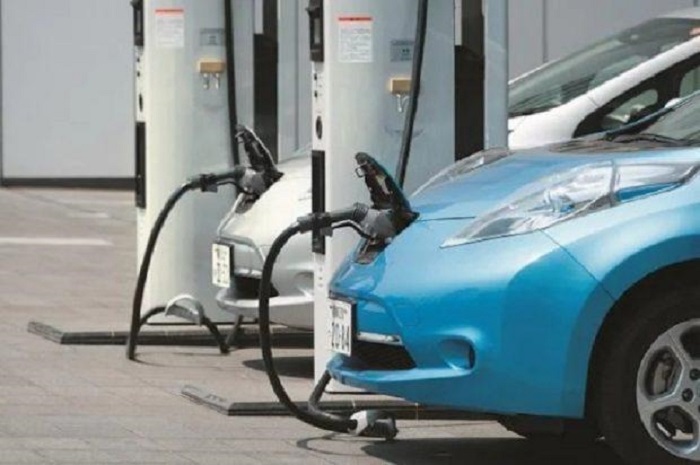
Further, to enhance the ecosystem of charging facilities, he said the administration has offered to subsidize commercial public electric vehicle charging stations for two-wheelers, cars, and buses.
“Capital subsidy on equipment/machinery (capital subsidy of 25 percent on the equipment /machinery or Rs 5 lakh (whichever is less)) per station for the first 15 electric vehicle charging stations. The policy underlines that the electric power required by commercial EV charging stations would be charged at domestic rates,” the spokesman said.
He said the policy is a major step toward making Ladakh self-sustainable, smart, integrated, and carbon neutral. The spokesman further said the Regional Transport Officer, Ladakh has been made responsible to monitor the implementation, point of contact for the Electric Vehicle policy, creating awareness regarding the policy as well as the operations guidelines, and administering the policy.