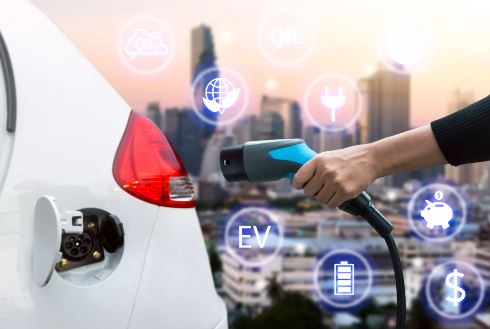

EV Chargers would be one of your first concerns when it comes to purchasing an electric vehicle. Types of EV chargers and connectors are the two main concepts to understand when it comes to EV charging. All three varieties of chargers can be used with any electric vehicle, Tesla or not. Other EVs cannot use the massive Supercharger network of the corporation because Teslas are fitted with a proprietary connector.
There are two types of connectors or plugs: AC and DC, which stand for alternating or direct current. Standard on EVs from America and Asia, Type 1 and Type 2 AC plugs provide charge rates ranging from 7.4 to 43 kilowatts, depending on the charger you’re plugged into. A full charge would normally take many hours at these speeds. You could search for DC plugs if you desire quicker charging. There are two common varieties of those in addition to Tesla’s. One kind of DC is basically a two-pronged AC charger that has been improved to facilitate faster charging. The alternative kind, CHAdeMO, has fewer barbs, offers a faster charge, and allows for bidirectional charging.
There are three main sorts of EV chargers offering different amounts of speed once your plug type has been determined.
Level 1 EV Chargers
A Level 1 charger is standard on the majority of electric vehicles available today. It may have a size and length that resemble an outside extension cord. While it is compatible with a typical 120-Volt wall outlet, this is probably the fastest charging choice for a new EV customer. However, it is also the slowest. When your automobile will be plugged in for a lengthy time, such as over the weekend or over the course of an entire night, is optimal.
There are three main sorts of EV chargers offering different amounts of speed once your plug type has been determined.
Level 2 EV Chargers
Public spaces like parking lots, dining establishments, and grocery stores frequently have Level 2 chargers available. You can also install these a little faster chargers in your house; they typically provide around 25 miles of range per hour.
Level 2 EV chargers are hardwired or connected to a 240-volt outlet that already exists, the same kind of outlet that you would use to put in your home dryer. These are excellent for charging overnight because they often provide a full charge in 8 to 10 hours.
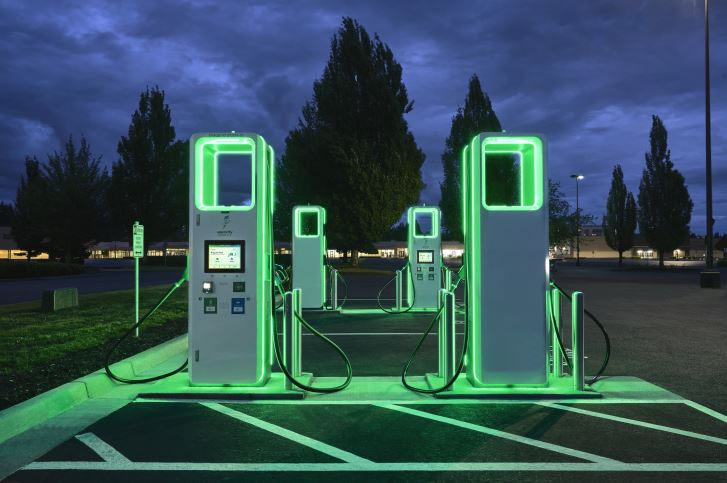
DC Fast Charger
These chargers are the greatest for long journeys because they can deliver the most juice in the least period of time.
A DC rapid charger can fill an empty battery up to 80% of its capacity in around half hour, depending on the size of your battery.
DC fast chargers are Tesla’s Superchargers, which are exclusively compatible with Tesla automobiles due to the exclusive connector. However, non-Tesla vehicles can also connect to DC fast chargers that are not owned by Tesla.
Finding public charging stations
Apps like Plugshare and ChargeHub are practical resources for finding the closest suitable charger in an emergency. Many EVs now come with software that can help you identify the closest charger. The fact that only Tesla has a dedicated charging network has been a major selling point for customers. Other automakers have relied more on joint ventures to develop the necessary infrastructure, which has slowed the spread of much-needed plugs. India is coming up with more and better-charging infrastructure for EVs. The recently launched app by president Draupadi Murmu called EV Yatra app aims to provide better-charging solutions as well as help in finding public charging stations.