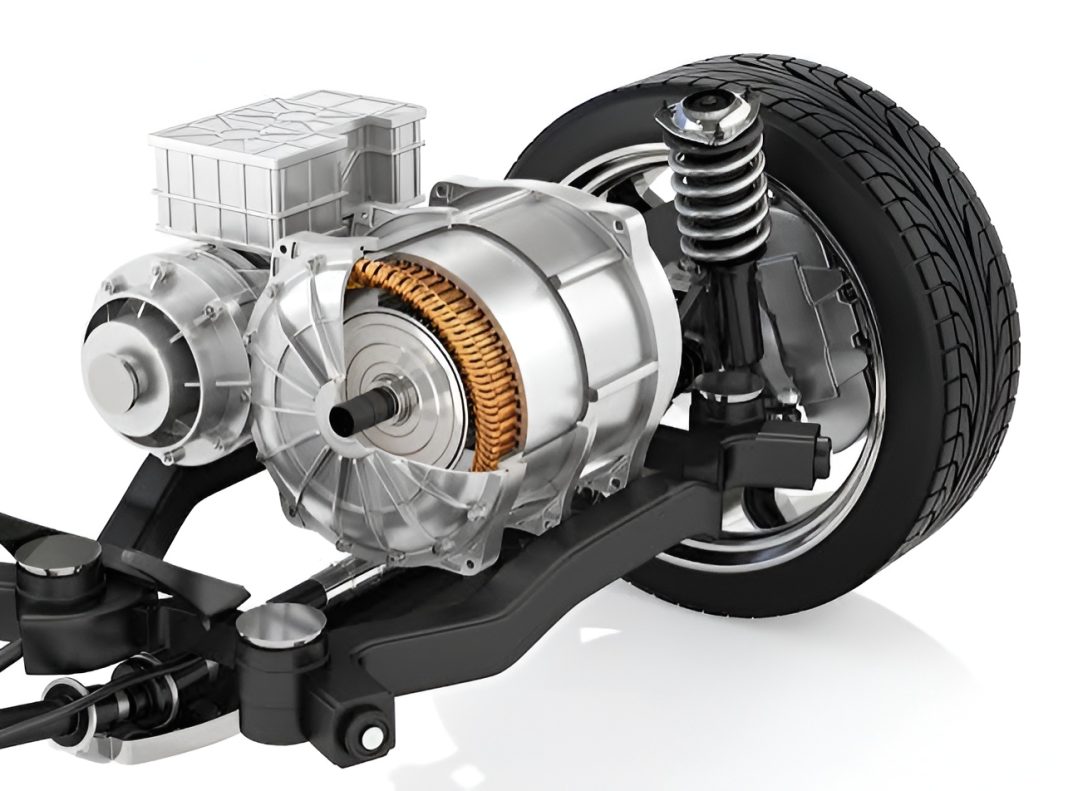
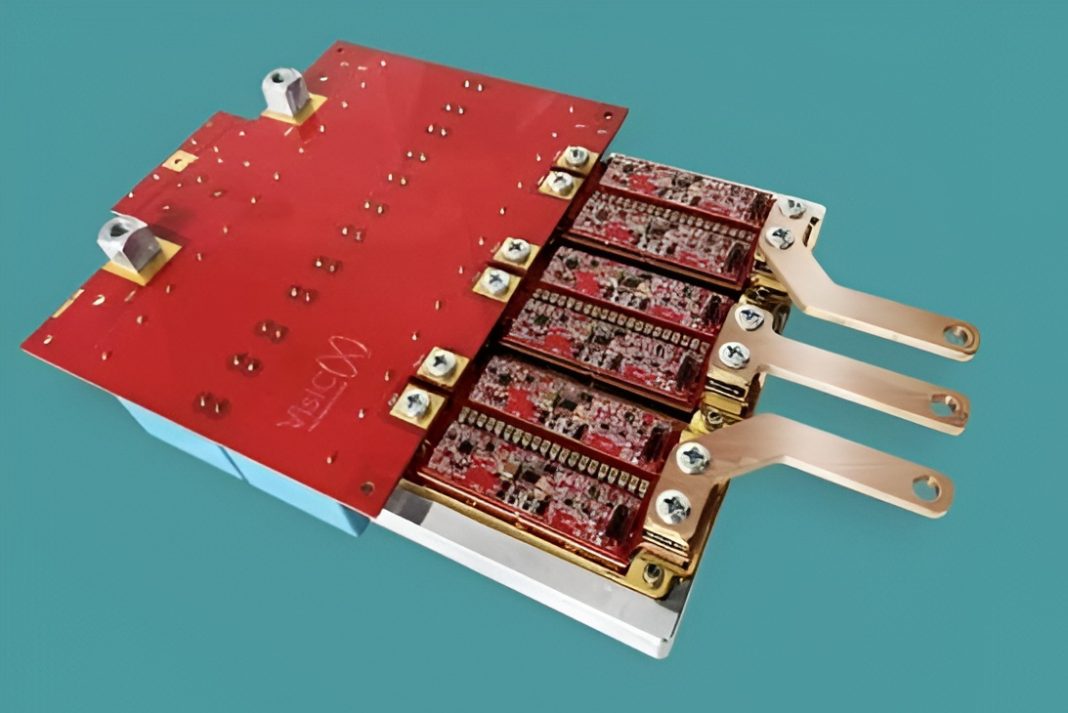

AVL and VisIC Technologies are partnering companies that share the vision of upgrading and commercialising high efficiency gallium nitride (GaN) traction inverters. The partnership recently demonstrated advanced research related to traction inverters by integrating gallium nitride (GaN)-based power modules into an electric vehicle reflecting a move that advances high-efficiency power electronics for electric vehicles (EVs).
The test was conducted at AVL’s facilities in Germany where VisIC’s D³GaN technology was integrated into an AVL vehicle demonstrator platform. The development has moved from laboratory testing into a complete vehicle environment.
GaN Technology Targets Lower Inverter Losses
The conducted test trial assembles a GaN technology-based inverter with a high-speed electric axle, advanced power electronics and vehicle control systems. The traction inverter transforms the DC power from an EV’s battery into AC for use in the electric motor. Its efficiency determines the amount of energy taken from the battery that the reaches the motor. This newly announced technology significantly reduces switching and conduction losses, thereby lowering overall inverter losses.
The project also involves NXP Semiconductors for driver electronics, system integration, and performance support. NXP supplies specialized driver ICs for proper control of D³GaN technology at high frequencies. Reducing the inverter’s power losses improves thermal management and supports a more compact powertrain design.
Potential Benefits for Future EVs
Integrating an inverter into a vehicle allows the partnership to evaluate performance metrics under a complete development environment including the electric drivetrain, and their interaction with the motor and vehicle control systems. The companies reported that GaN-technology-based inverter achieved 99.67% efficiency at a switching frequency of 10 kHz and over 99.8% at 5 kHz.