Xiaomi in talks with BAIC to produce Electric Cars

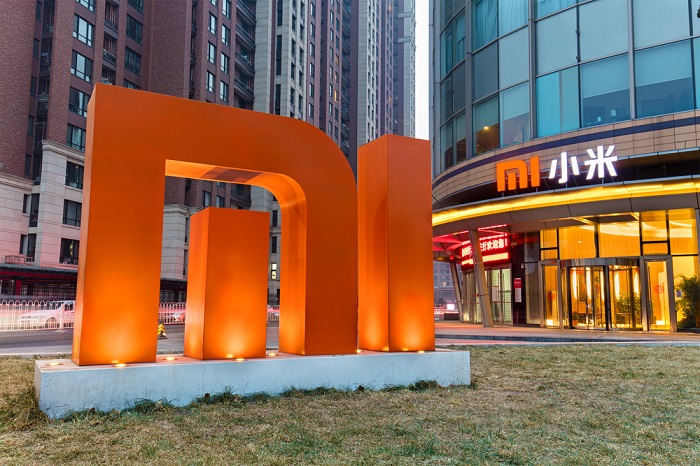
Smartphone maker Xiaomi Corp is eyeing an electric vehicle production tie-up with Beijing Automotive Group Co (BAIC), as it faces delays in acquiring a license to make cars on its own, Bloomberg News reported on Friday.

Such partnerships among EV startups and traditional carmakers have become increasingly common in China, as state planners have been limiting the issuance of manufacturing licenses to new EV makers in a bid to contain excessive investment.

Chinese EV maker Nio Inc, for example, has been partnering with Anhui government-owned Jianghuai Automobile Group (JAC) in vehicle production. Under the deal, Nio cars, developed and manufactured by the startup, had to bear JAC’s nameplate initially, and both later agreed to drop the nameplate over additional fees.

Xiaomi and BAIC are exploring various options including Xiaomi buying a stake in Beijing Hyundai No. 2 plant, which has a license to make cars in China. The collaboration could see vehicles built by Beijing Automotive’s EV brand, BAIC BluePark New Energy Technology Co, and co-branded with Xiaomi, the report said.

Xiaomi and BAIC declined to comment. An executive at Beijing Electric Vehicle Co, BAIC’s EV unit, told that he is not aware of such talks between Xiaomi and BAIC, declining to be named because he is not authorized to talk to the media. A Hyundai spokesperson said the claims reported in the story concerning the South Korean firm are “groundless.” Beijing Hyundai, the joint venture between Hyundai Motor Co and BAIC, has three manufacturing plants in Beijing.

Xiaomi started construction on its first auto factory in Beijing earlier this year after declaring its ambition last year to enter the competitive EV sector and challenge established brands and newer tech companies. The plant will have an annual capacity of 300,000 units.

Xiaomi committed to bringing its cars to mass production in the first half of 2024. Earlier this year, the company started construction on its first auto factory in Beijing.

Hot this week

EV Efficiency Explained: Wh/km, Regenerative Braking, Aerodynamics and Thermal Losses

Electric vehicles (EVs) are mobility products powered partially or...

CATL Explores Lithium-Air Battery Technology to Advance Next-Generation Electric Vehicles

​CATL, the world’s largest manufacturer of energy storage batteries,...

KAIST Develops Semiconductor-Based Interface Technology to Extend Anode-Free EV Battery Life

Researchers from the Korea Advanced Institute of Science and...

GÖPEL Electronic Joins Automotive SerDes Alliance to Support ASA-ML Automotive Networking

High-speed communication technologies are becoming increasingly important in modern...

Hyundai Motor Group Outlines AI-Driven Roadmap for Electric and Autonomous Vehicle Technologies

​Hyundai Motor Group showcased its future mobility technology at...

Topics

EV Efficiency Explained: Wh/km, Regenerative Braking, Aerodynamics and Thermal Losses

Electric vehicles (EVs) are mobility products powered partially or...

CATL Explores Lithium-Air Battery Technology to Advance Next-Generation Electric Vehicles

​CATL, the world’s largest manufacturer of energy storage batteries,...

KAIST Develops Semiconductor-Based Interface Technology to Extend Anode-Free EV Battery Life

Researchers from the Korea Advanced Institute of Science and...

GÖPEL Electronic Joins Automotive SerDes Alliance to Support ASA-ML Automotive Networking

High-speed communication technologies are becoming increasingly important in modern...

Hyundai Motor Group Outlines AI-Driven Roadmap for Electric and Autonomous Vehicle Technologies

​Hyundai Motor Group showcased its future mobility technology at...

Infineon and Qualcomm Partner to Advance Central Computing for Software-Defined Vehicles

​Infineon and Qualcomm Technologies have signed a collaboration agreement...

Top 10 EV Battery Cell Manufacturers

​Battery EV cell manufacturers are companies that produce the...

Related Articles

Popular Categories