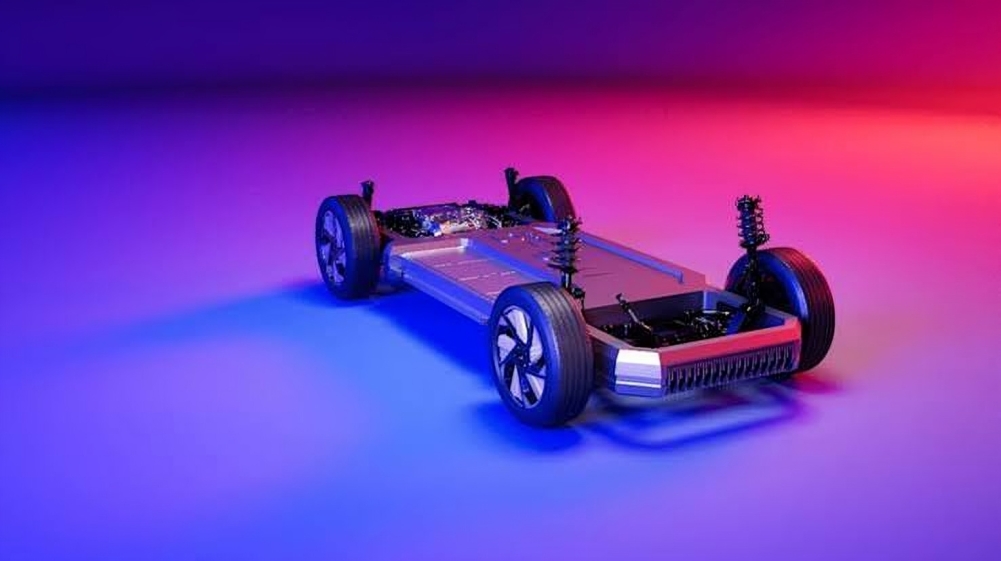

When it comes to electric vehicle engineering, the primary focus is to build, design, and assemble physical parts of an electric vehicle (EV), including skateboard architecture, battery management system (BMS), chassis architecture, thermal management, structural crash safety, and overall integration in an EV.
On the other hand, electric vehicle technology refers to the development process of specific technology in an EV such as power converters, AI, IoT, and autonomous driving software. The key discipline for EV engineering is the development process of the complete car by combining mechanical engineering, electrical engineering, industrial manufacturing, and vehicle dynamics. Whereas for EV technology, it can be the development of next-generation solid-state cells, smart charging networks, or cloud-based connectivity.
Although the key aspects of both EV engineering and EV technology differ, they share the same goal: replacing fossil fuel combustion with clean and high-efficiency energy solutions powered by electrical energy. Following this, we’ll discuss top 10 EV engineering and technology companies in India in this article.
Tata Motors
Tata Motors is the market leader in the electric vehicle (EV) segment in India. It has achieved this position because of its powerful performance, integrated charging solution, high safety, and advanced features in different segments of electric vehicles, which mainly cover passenger cars and commercial EVs such as Nexon EV, Tiago EV, and Punch EV.
Mahindra & Mahindra
With an already established name in the automobile industry, this company has also achieved very good sales records in India’s EV market and has become the first commercial vehicle manufacturer to cross 4 lakh cumulative EV sales. The success behind scoring this figure includes many key factors such as focused innovation, heavy engineering investments, and strong commercial footprints.
Ola Electric
This company has been focusing on innovating two-wheeler electric scooters since the launch of its first scooter, the Ola S1 and S1 Pro, in August 2021. The primary reasons for staying in the two-wheeler segment were massive market size and increasing demand for two-wheelers due to low running costs and government support through different subsidies which make them attractive to buyers. The company has become very popular in India in its segment because of aggressive product scaling, vertical integration alongside indigenous battery cell development, enabling faster production and lower product cost, and strong brand recall built from its ride-hailing origins.
Ather Energy
This company gained popularity in India with the launch of Ather 450 in 2018, which was recognised as India’s first smart, connected electric scooter featuring a touchscreen dashboard, cloud-sync capabilities, and over-the-air (OTA) software updates. This company is known for its high performance and public fast-charging network (Aether Grid) in its own segment. The company engineered its own batteries, chassis, powertrain, and software features instead of assembling off-the-shelf parts from the very beginning.
TVS Motor Company
TVS is a very popular brand in India and has been selling its transport vehicles since 1978. This company entered the electric automotive industry in 2020 with the launch of its first electric scooter TVS iQube Electric. The reason for shifting towards electric-powered two-wheelers is to maintain its dominant position in the rapidly shifting road transport market. TVS always comes to customers’ minds because of its long-term reliability, strong customer support, powerful performance, and because it always introduces advanced features with the launch of its new products.
The company has crossed 1 million units in selling electric scooters in India driven by rapid advancement of its EV technology such as Ram Air-Cooled Motor Tech that provides dynamic cooling via a Ram air-cooled motor design and connected software.
Bajaj Auto
This company officially entered the electric scooter market in January 2020 with the commercial launch of the electric avatar of its iconic Bajaj Chetak. This brand is very popular in India because of its long-standing market dominance since 1948, legacy trust, massive dealer and service network, and durable metal-body engineering.
The company also owns 100% of KTM’s holding company through a multi-layered holding company structure instead of purchasing KTM stock directly. To date, this company has sold over 9 lakh electric units since entering the EV segment including both electric two-wheeler and three-wheeler sales. Its latest flagship electric scooter models in the C series segment support Google Maps navigation and Over-the-Air (OTA) software updates.
JSW MG Motor India
The company manufactures units in India, covering smart internal combustion engine (ICE), SUVs, full-size luxury SUVs, and multi-energy electric/hybrid vehicles under the MG marque, a British automotive brand, and operates its manufacturing facility in Halol, Gujarat. This company has become a leading EV brand in India through a corporate joint venture, a popular EV portfolio such as the MG Windsor EV, MG Comet EV and MG ZS EV, and a broad EV charging ecosystem through its own initiatives and partnerships with charging-network operators.
Hyundai Motor India
Hyundai manufactures electric vehicles in India in the SUV and crossover categories, driven by local production and assembly. In the compact SUV category, it has Hyundai Creta Electric and for the premium electric crossover, it offers Hyundai IONIQ 5. The main reasons for the brand popularity in manufacturing EVs in India is deep localisation, massive financial investments, high-tech offering, and a trusted 30-year legacy in the country. The company offers dedicated EV architecture allowing ultra-fast charging, the powering of external devices, the replacement of traditional mechanical gear systems with electronic dial-based shifting, and advanced driver assistance system (ADAS) for partial automation and active safety features through Hyundai SmartSense suite.
Olectra Greentech Limited
This company manufactures electric buses and heavy commercial vehicles that can cover long distances enabled by high-capacity Blade Battery technology developed in collaboration with BYD, allowing 12-metre coach buses to travel up to 500 kilometres on a single charge.
JBM Group
Founded in 1983 by Mr. Surendra Kumar (S.K) Arya. The company originally manufactured LPG cylinders under the name JBM Industries Ltd. and later expanded its business into the automotive industry by signing a joint venture with Maruti Suzuki India Ltd. in 1986. It entered the EV industry in 2018 by showcasing its first electric bus model, EcoLife, at the Auto Expo exhibition. This company manufactures large-scale electric buses, offering different varieties in its segment, including low-floor city buses (ECO-LIFE e12), intercity and luxury sleeper/seater coaches (GALAXY), school buses (E-SKOOLIFE), staff buses (E-BIZLIFE), tarmac buses, and medical mobility vehicles (E-MEDILIFE).
Conclusion
India’s electric vehicle (EV) engineering and tech space is in the midst of a massive overhaul, with a potent combination of legacy auto behemoths, nimble tech start-up, and specialist engineering organisations contributing their expertise to advance zero-emission mobility and pioneer the zero-emission future of mobility.