
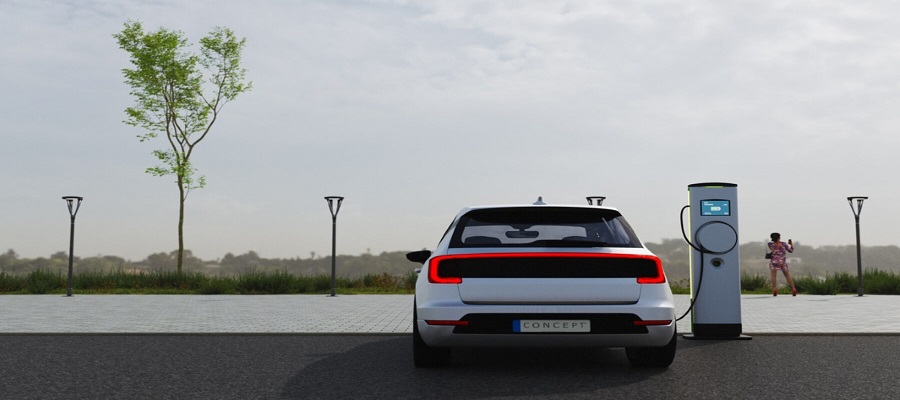

As electric cars strive to dominate the automotive landscape, persistent issues such as limited range, heavy and expensive batteries, and slow charging times continue to deter potential buyers. However, several companies, including Toyota, are on the brink of potential breakthroughs that could revolutionize the electric vehicle (EV) market.
The much-anticipated breakthrough involves the development of “solid-state batteries.” Toyota, alongside automakers like Stellantis, Hyundai, and Volkswagen, is actively collaborating with battery firms to pioneer this technology. Solid-state batteries offer the promise of smaller, lighter, and more powerful energy storage solutions with enhanced safety features, reducing the risk of fire in case of a collision.
Distinguishing solid-state batteries from conventional lithium-ion batteries is the nature of the electrolyte—a solid substance instead of a liquid. This distinction contributes to heightened safety levels, as a broken or punctured battery is less likely to result in uncontrolled energy flow and subsequent fires.
Despite these promising advancements, challenges remain. Manufacturing solid-state batteries economically at a scale necessary for affordable EV production poses a significant hurdle. Multiple start-ups are exploring various chemical compositions and physical structures, leading to a competitive landscape with no clear superior technology.
Furthermore, fast-charging capabilities remain a challenge for solid-state batteries, as the rigid material they utilize tends to impede the movement of lithium ions, slowing down both the charging and discharging processes. Companies like Quantumscape claim to have addressed this issue, boasting faster charging times than traditional lithium-ion batteries.
However, solid-state batteries may come at a higher cost due to increased lithium content. Companies like Factorial, with investments from Stellantis and Mercedes, aim to reduce costs by optimizing lithium usage in their solid-state battery technology.
In this dynamic environment, other companies are also enhancing traditional liquid-electrolyte batteries. OneD Battery Sciences, backed by GM, proposes improvements by incorporating silicone into existing batteries, promising significant performance gains at a relatively low cost.
As the EV market evolves, it is becoming evident that various battery technologies will coexist, catering to diverse vehicle types and markets. GM’s Ultium electric vehicle design, accommodating different battery types, exemplifies this approach, emphasizing the need for flexibility in the pursuit of sustainable and efficient electric transportation.