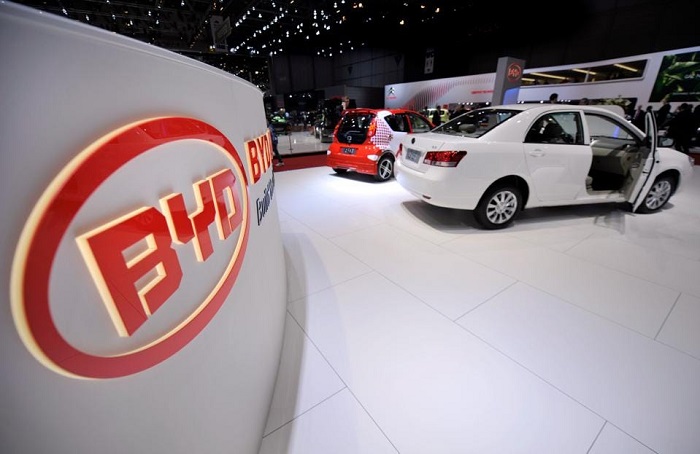

BYD, China’s top electric vehicle producer, will make Thailand its first production hub in Southeast Asia, a move likely to challenge existing Chinese brands in the kingdom poised to capitalize on an expected, government-aided surge in demand.
According to an official at Thailand’s Board of Investment, BYD is to invest a total of 17.9 billion baht ($488 million) in Rayong province, where it is said to have purchased 700 rai (112 hectares).
“The WHA group has sealed a deal to sell a big plot of land in our industrial estate in Rayong province,” Jareeporn Jarukornsakul, WHA’s co-founder and chairman, told Nikkei Asia, declining to give further details. WHA has sent invitations to a news briefing on Thursday that will be attended by Jareeporn and Liu Xeuliang, BYD’s Asia-Pacific manager.
The BoI last month approved an investment privilege previously granted to BYD. The EV maker must now begin “investing within three years,” a senior BoI official said. Thailand’s EV sales are forecast to rapidly escalate thanks to government subsidies that will effectively lower sticker prices. The idea is to attract enough buyers to create an economy of scale and spur investment in the sector. The subsidy can be as much as 150,000 baht per EV.
In another move, the government on June 9 cut import duties on electric vehicles to 2% from 8% in exchange for promises from manufacturers to eventually bring EV production to Thailand. These policies are meant to help make Thailand the EV production hub of ASEAN and by 2030 raise the ratio of EVs to all vehicles sold in the country to 30%.
Founded in February 1995 as a rechargeable battery maker, BYD now has a presence in over 30 industrial parks around the world. It is a significant player in electronics, automobiles, new energy, and rail transit.
BYD posted a 3.5 billion-yuan net profit for the first half of 2022, more than triple its year-earlier result. Having surpassed Tesla and other rivals in domestic sales, the company now has its sights set on expanding to more than 15 international markets.
It has partnered with Rever Automotive (Thailand), which imports China-made electric vehicles, and is planning to start selling Dolphin models in the kingdom by the end of this year. Other EV models will follow. BYD will benefit from the ASEAN-China free trade pact, which has been in effect since 2005 and allows Chinese manufacturers to ship EVs to Thailand tariff-free.