1st EV with Solid-State Battery for Nissan is on the Cards

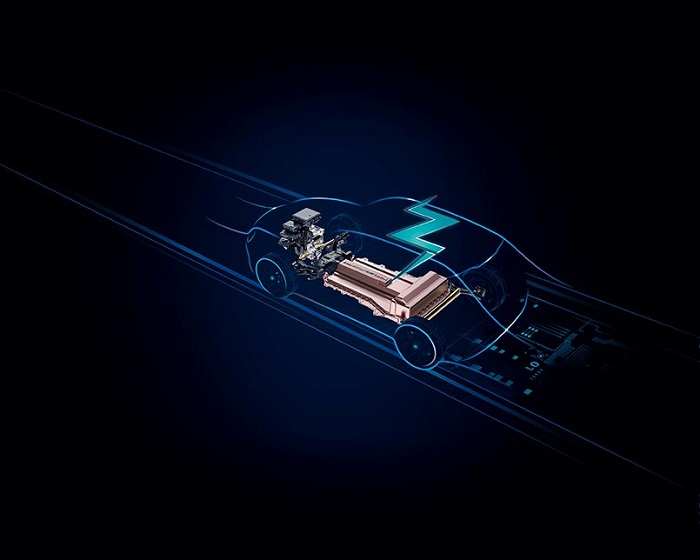
Japanese automaker Nissan has unveiled its first prototype production facility for all-solid-state battery cells, which the company aims to bring to market in the coming years.

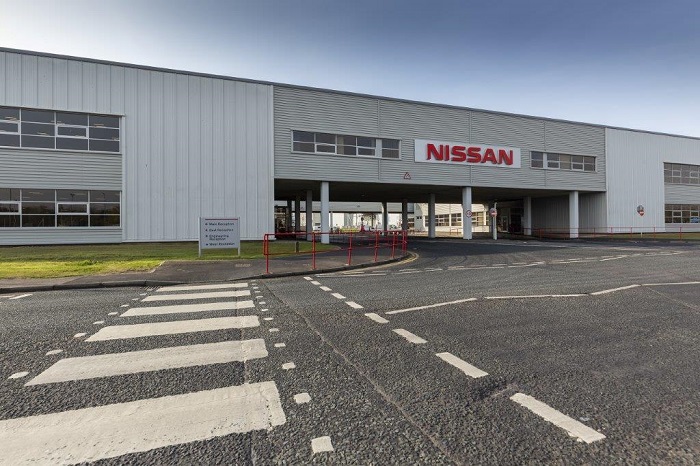
Nissan said it aims to launch an EV with all-solid-state batteries developed in-house by fiscal 2028. This prototype facility, within the Nissan Research Center in Kanagawa Prefecture, is aimed to further promote the development of all-solid-state batteries, said the automaker.

“Nissan has been a leader in electrification technology through a wide range of R&D activities, from molecular-level battery material research to the development of safe, high-performance EVs. Our initiatives even include city development using EVs as storage batteries,” said Kunio Nakaguro, executive vice president in charge of R&D.

The carmaker plans to establish a pilot production line at its Yokohama Plant in fiscal 2024, with materials, design and manufacturing processes for prototype production on the line to be studied at the prototype production facility.

Nissan said that all-solid-state batteries can be reduced to $75 per kWh in fiscal 2028 and to $65 per kWh thereafter, placing EVs at the same cost level as gasoline-powered vehicles.

All-solid-state batteries are expected to be a game-changing technology for accelerating the popularity of electric vehicles.

They have an energy density approximately twice that of conventional lithium-ion batteries, significantly shorter charging time due to superior charge/discharge performance, and lower cost thanks to the opportunity of using less expensive materials.

With these benefits, Nissan expects to use all-solid-state batteries in a wide range of vehicle segments, including pickup trucks, making its EVs more competitive.

“Going forward, our R&D and manufacturing divisions will continue to work together to utilize this prototype production facility and accelerate the practical application of all-solid-state batteries,” Nakaguro noted.

Hot this week

EV Efficiency Explained: Wh/km, Regenerative Braking, Aerodynamics and Thermal Losses

Electric vehicles (EVs) are mobility products powered partially or...

CATL Explores Lithium-Air Battery Technology to Advance Next-Generation Electric Vehicles

​CATL, the world’s largest manufacturer of energy storage batteries,...

KAIST Develops Semiconductor-Based Interface Technology to Extend Anode-Free EV Battery Life

Researchers from the Korea Advanced Institute of Science and...

GÖPEL Electronic Joins Automotive SerDes Alliance to Support ASA-ML Automotive Networking

High-speed communication technologies are becoming increasingly important in modern...

Hyundai Motor Group Outlines AI-Driven Roadmap for Electric and Autonomous Vehicle Technologies

​Hyundai Motor Group showcased its future mobility technology at...

Topics

EV Efficiency Explained: Wh/km, Regenerative Braking, Aerodynamics and Thermal Losses

Electric vehicles (EVs) are mobility products powered partially or...

CATL Explores Lithium-Air Battery Technology to Advance Next-Generation Electric Vehicles

​CATL, the world’s largest manufacturer of energy storage batteries,...

KAIST Develops Semiconductor-Based Interface Technology to Extend Anode-Free EV Battery Life

Researchers from the Korea Advanced Institute of Science and...

GÖPEL Electronic Joins Automotive SerDes Alliance to Support ASA-ML Automotive Networking

High-speed communication technologies are becoming increasingly important in modern...

Hyundai Motor Group Outlines AI-Driven Roadmap for Electric and Autonomous Vehicle Technologies

​Hyundai Motor Group showcased its future mobility technology at...

Infineon and Qualcomm Partner to Advance Central Computing for Software-Defined Vehicles

​Infineon and Qualcomm Technologies have signed a collaboration agreement...

Top 10 EV Battery Cell Manufacturers

​Battery EV cell manufacturers are companies that produce the...

Related Articles

Popular Categories