
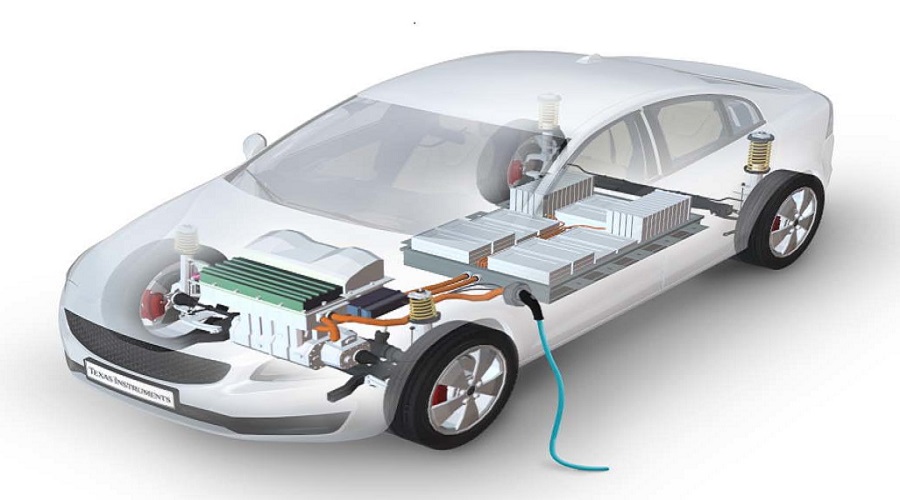

In the forefront of India’s green mobility revolution, electric vehicles (EVs) are witnessing unprecedented growth driven by environmental consciousness and a dedicated commitment to reducing carbon emissions. With zero tailpipe emissions, EVs are pivotal in combating air pollution, curbing greenhouse gas emissions, and addressing climate change. The flourishing EV industry is now propelled not only by environmental benefits but also by the diminishing role of price as a mitigating factor for wider adoption.
A recent development highlights the indispensable role of data storage in the Electric Vehicle (EV) sector, particularly in Battery Management Systems (BMS). The BMS, a critical component in EVs, ensures optimal performance, safety, and vehicle battery pack longevity. As EVs gain popularity, BMS technology is becoming increasingly sophisticated to meet the demands of both consumers and automakers.
The Essence of Electric Vehicle Battery Management System
The Battery Management System (BMS) assesses the State of Health (SoH) of the battery pack over time, tracking factors such as capacity fade and impedance increase. This information is crucial for maintenance and warranty purposes, playing a key role in optimizing battery life and contributing to the sustainability of EVs.
Data: The Heart of BMS
Data storage in EVs, specifically in the BMS, is integral to the safe and efficient operation of the vehicle. The BMS generates a significant volume of data, encompassing historical performance data and real-time monitoring metrics. This data is essential for optimizing energy utilization, anticipating maintenance needs, and ensuring secure and efficient data management.
Moreover, data storage plays a pivotal role in accident prevention in EVs. The BMS continuously monitors critical factors such as battery temperature, voltage, and state of charge in real time. Stored and analyzed data detects irregularities and trends that may pose safety risks, facilitating proactive actions and significantly enhancing overall EV safety on the road.
Optimal Storage Solutions
Industrial SDTM cards, such as the Automotive SD Card from Western Digital, are highlighted as optimal storage solutions for EVs. These cards deliver superior endurance, reliability, extended temperature range, and longevity for industrial applications. Their features, including health status monitoring, automatic read refresh, and host lock, make them the preferred choice for tasks like battery health monitoring.
A Greener Tomorrow: The Way Forward
In conclusion, the Battery Management System and storage emerge as the unsung heroes of EVs, quietly but effectively ensuring optimal performance, safety, and longevity of the vehicle’s critical component—the battery pack. As EV adoption continues, BMS technology will evolve further, incorporating advanced algorithms, machine learning, and real-time data analysis. The ongoing research and development in this field can potentially reduce EV costs, increase range, and make electric vehicles more accessible to consumers. The evolution of BMS relies heavily on innovative data storage solutions, marking a significant step towards a greener and sustainable future for India’s mobility landscape.


 are witnessing unprecedented growth driven by environmental consciousness and a dedicated commitment to reducing carbon emissions. With zero tailpipe emissions, EVs are pivotal in combating air pollution, curbing greenhouse gas emissions, and addressing climate change. The flourishing EV industry is now propelled not only by environmental benefits but also by the diminishing role of price as a mitigating factor for wider adoption.)