
A new study from Juniper Research has found the volume of electric vehicle battery pack shipments will reach 30 million in 2027; from just 10 million in 2022. The research identified falling vehicle costs, often directly caused by government subsidies, and increasing awareness around the environmental impact of current mobility services as key drivers behind the growth in electric vehicle battery production.
The research predicts that this growth will be strongest within the commercial segment, with commercial electric vehicle battery pack shipments growing from 1.4 million in 2022 to over 7 million by 2027. Mass electrification of fleet vehicles is required for meeting corporate decarbonization goals and will drive investment into electric vehicles from enterprises. In turn, this provides an opportunity for manufacturers to develop batteries designed for energy-intensive commercial use cases.
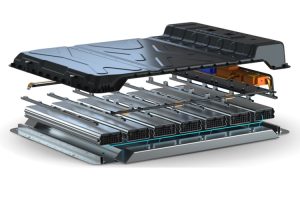
The research predicts that for electric vehicles to reach mass adoption across commercial use cases, including heavy goods haulage and passenger transport, scaling the production of new battery technologies is essential. This includes solid-state batteries and new chemical mixes.
“Developing longer range vehicles by leveraging higher capacity battery packs will be critical to meeting expectations that foster commercial vehicle electrification, but will require extensive investment to develop new battery pack technologies,” said research co-author Damla Sat.
“The most pressing issue for electric vehicle adoption is the rare earth minerals required in battery production, including cobalt, which is difficult to source, in terms of both cost and the ethics around procurement,” the report mentioned.
Accordingly, the research recommends that manufacturers must rapidly move to new, higher capacity technologies including solid-state batteries to unlock energy-intensive use cases. The report however cautioned that changes in technologies must continue to prioritize the sustainability goals electrification is based upon.